JMAG-RT
Look-up table approach
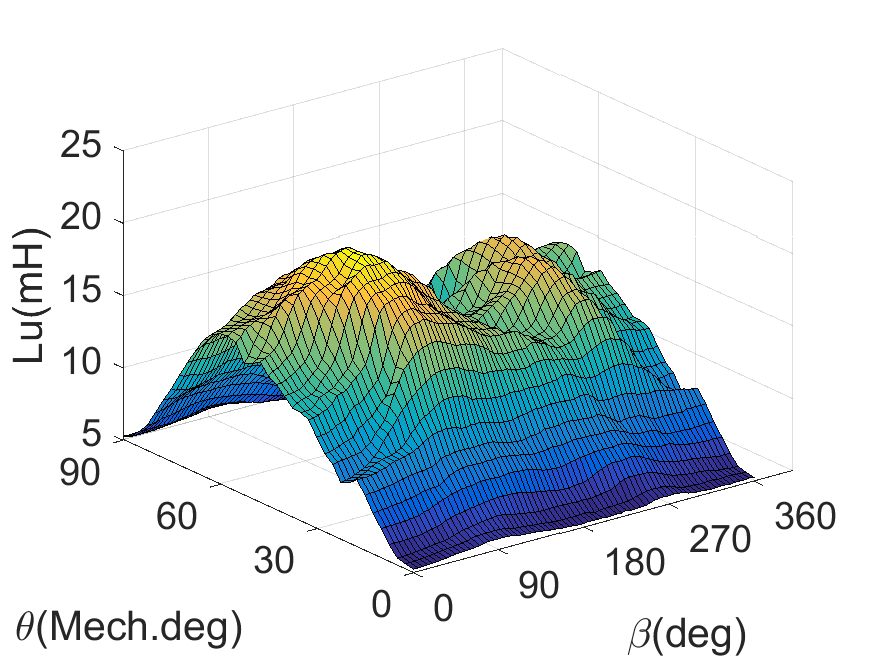
FEA-grade motor behavior in system-level power electronics studies.
The SIMBA JMAG Module connects motor electromagnetic models with inverter, control, thermal, and mechanical simulation. Use JMAG-RT for fast repeated operating-point studies, or Direct Coupling when a full JMAG finite element model needs to run inside the circuit simulation loop.
Look-up table approach
Finite element analysis approach
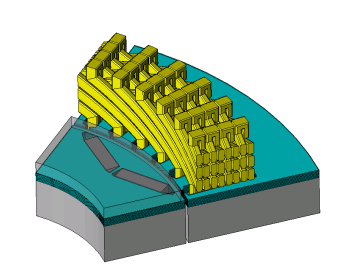
Choose JMAG-RT for fast look-up-table studies, or JMAG Direct Coupling when the finite element model needs to stay in the simulation loop.
Choose the level of electromagnetic fidelity that fits the study: fast FEA-based look-up tables for large campaigns, or direct FEA coupling when detailed magnetic behavior must stay in the loop.
Use FEA-based look-up tables for efficiency maps, drive cycles, modulation comparisons, and repeated operating-point studies.
Run JMAG finite element models directly in the SIMBA simulation loop for electromagnetic currents, torque, saturation, and slotting effects.
Combine battery, DC link, inverter, control, motor, gearbox, and thermal behavior in the same system-level model.
Compare strategies such as SVPWM and DPWM to understand how motor losses and inverter losses shift across operating points.
Motor drive decisions often depend on interactions between electromagnetic behavior, switching losses, control strategy, and thermal limits.
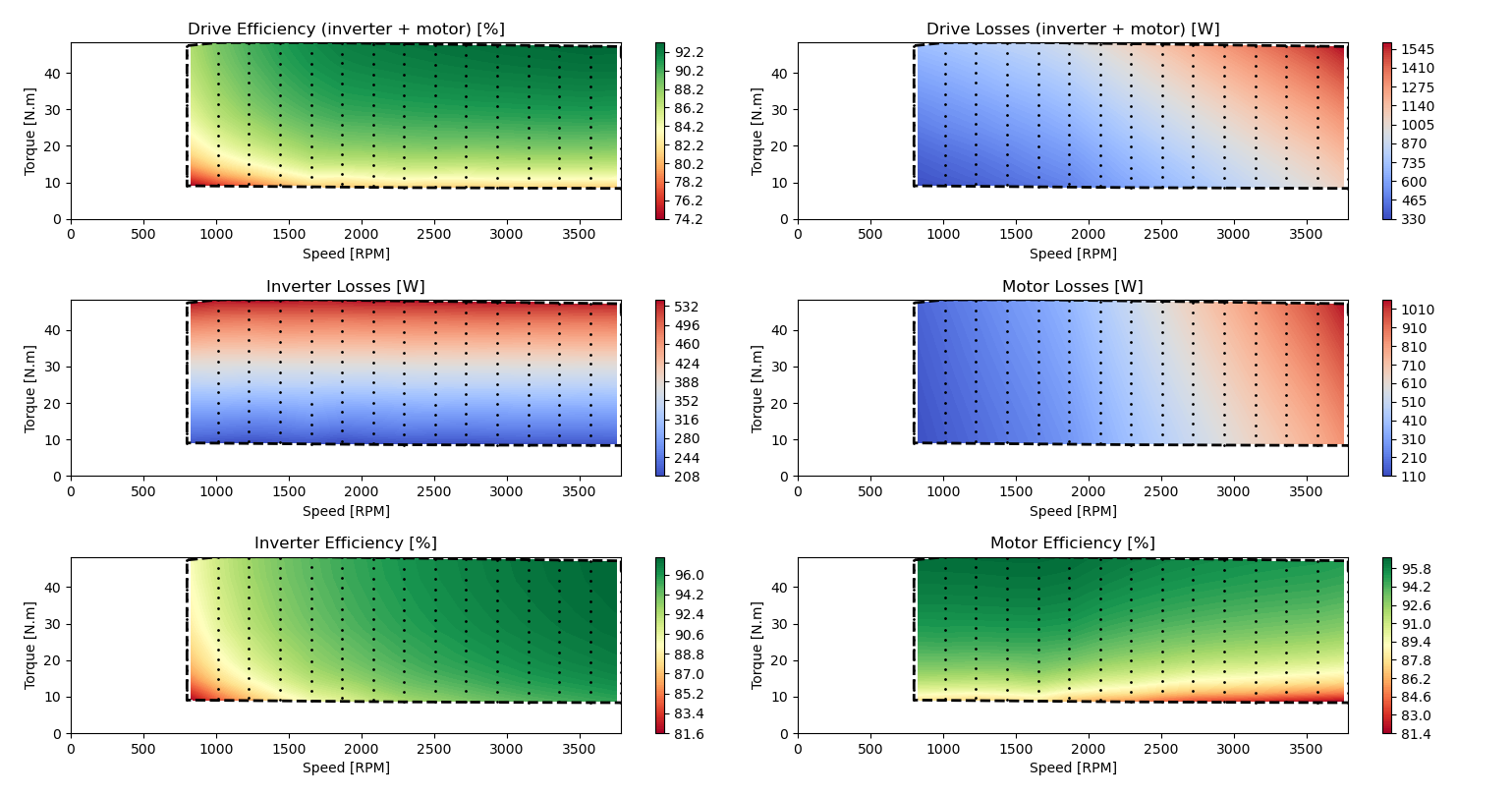
Evaluate dense speed and torque grids without disconnecting motor behavior from inverter losses.
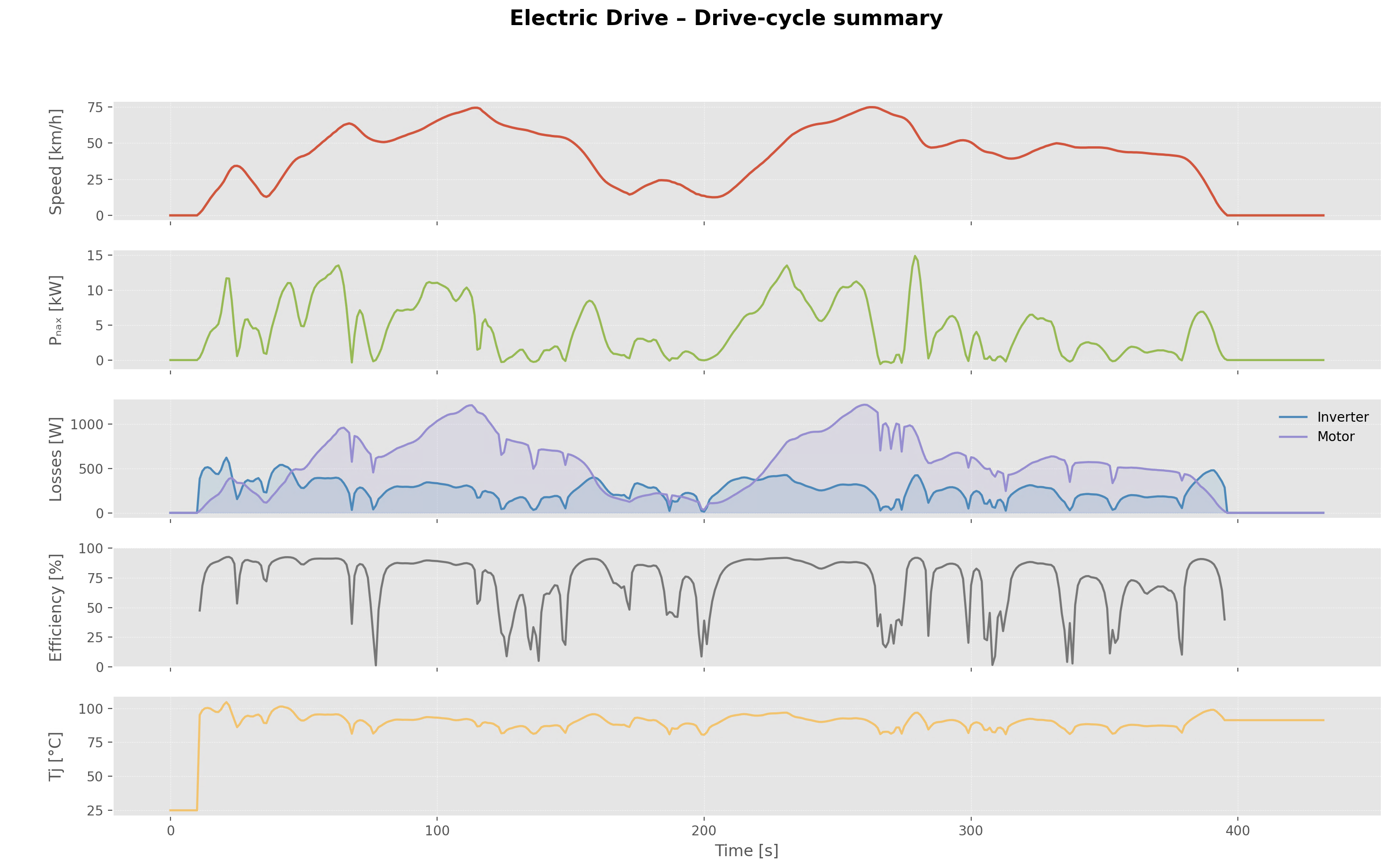
Run drive-cycle and mission-profile studies with electrical, mechanical, and thermal results.
With Direct Coupling, SIMBA sends voltages to JMAG at each time step, receives currents and torque from the finite element model, and advances the circuit simulation with electromagnetic data.
That keeps PWM ripple, saturation, slotting effects, inverter losses, thermal behavior, and control logic aligned in a single engineering workflow.
Use the JMAG Module when simplified motor models are no longer enough and the full motor plus inverter system needs to be evaluated together.



© Copyright 2019-2026 – AESIM.tech | Privacy policy